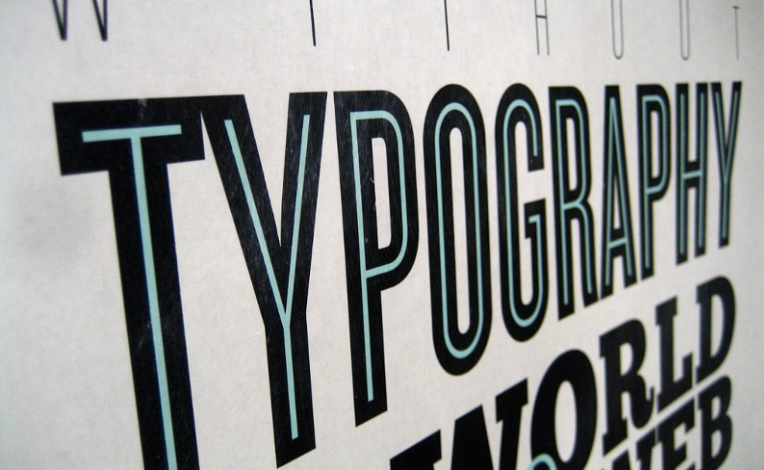
For years, the conventional wisdom in digital design was clear: sans-serif fonts ruled supreme. Their clean lines and simple forms were thought to render better on low-resolution screens, making them the default choice for websites and applications. However, a noticeable shift has emerged across the digital landscape. Serif fonts, once relegated primarily to print, are experiencing a remarkable resurgence in digital interfaces, bringing with them a sense of sophistication, credibility, and human touch that their sans-serif counterparts often lack.
The Evolution of Screen Technology
The most straightforward explanation for the return of serif fonts lies in the dramatic improvement of screen technology. Early computer monitors with 72 dpi resolution struggled to render the fine details and serifs of traditional typefaces clearly, often resulting in blurry, pixelated text. Modern high-density displays, such as Apple’s Retina displays and 4K monitors, pack so many pixels into each inch that they can render even the most delicate serifs and subtle stroke contrasts with perfect clarity. This technological advancement has effectively eliminated the primary functional argument against serif usage in digital environments, freeing designers to choose typefaces based on aesthetic and communicative merits rather than technical limitations alone.
See also: Increasing Home Value: The Power of Windows
The Search for Differentiation and Personality
As the digital landscape has matured, countless websites and applications have converged around similar design patterns and a limited palette of sans-serif fonts. This visual homogeneity has created an opportunity for brands to stand out through more distinctive typographic choices. Serif fonts offer immediate visual differentiation in an environment dominated by geometric and humanist sans-serifs. The unique character of a well-chosen serif can communicate brand personality more effectively than yet another clean, neutral sans-serif. In an attention economy where differentiation provides competitive advantage, serifs offer a proven way to break from convention while maintaining professionalism and readability.
Establishing Trust and Authority in the Digital Age
The proliferation of misinformation and questionable online sources has made digital credibility more valuable than ever. Serif fonts carry subconscious associations with tradition, authority, and established institutions—psychological baggage accumulated over centuries of use in formal documents, prestigious publications, and academic works. Digital platforms seeking to project trustworthiness and substance are increasingly leveraging these associations. When users encounter a serif font in digital interfaces, they subconsciously attribute qualities of reliability and expertise to the content, making serifs particularly valuable for news platforms, educational resources, financial services, and any digital property where establishing credibility is paramount.
The Humanist Appeal in an Increasingly Digital World
As our lives become more immersed in digital experiences, there’s growing appreciation for design elements that bring human warmth and organic character to screen-based interactions. Serif fonts, with their historical roots in calligraphy and hand-lettering, possess an inherent humanist quality that many sans-serif fonts lack. The subtle variations, tapered strokes, and calligraphic influences in many contemporary serifs create a more approachable, less mechanical reading experience. This human touch resonates particularly well in applications dealing with storytelling, personal content, or any context where creating emotional connection matters as much as delivering information efficiently.
Conclusion
The resurgence of serif fonts in digital design represents more than a passing trend—it signals a maturation of digital aesthetics and a more nuanced understanding of how typography functions in screen-based communication. Driven by technological advancements, the need for differentiation, the pursuit of credibility, and a desire for more human-centered digital experiences, serifs have reclaimed their place as viable, valuable tools in the digital designer’s toolkit.